

Total Factor Productivity (TFP) is a measure of efficiency, but it is also a strong indicator of the capacity to manage risk.
In the case of livestock production, for example, healthy animals are more productive animals. They generate more output per animal and need less feed, water, and other resources. Animal care practices to support productivity growth include vaccinations, protective housing, monitoring animals for signs of illness, isolating sick animals for treatment, and eliminating breeding grounds for disease vectors, like ticks. These same practices are essential to preventing and managing pandemic-style outbreaks of diseases, such as an avian flu or African Swine Fever.
The OECD report on agricultural resilience calls appropriate investments in agricultural productivity growth a “no-regret” strategy to strengthening resilience. The report recommends investments in, “the provision of information, education, infrastructure, and research and development,” all of which are essential public goods advocated for in the GAP Report.29
These policy goals, explored in more detail in the online edition of the GAP Report, have benefits for producers, consumers, and the environment. These goals provide agricultural producers the innovations and knowledge they need to increase their output more efficiently, improve profitability, reduce waste and loss, and create opportunities for economic growth. These policies and investments protect productivity gains during times of crisis and ensure greater productivity in the future.

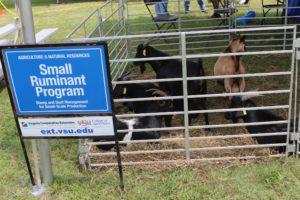 Public sector agricultural R&D and extension services generate innovation and information that facilitate environmentally sustainable agricultural output growth, improve human health, and support a vibrant agricultural economy. Public-sector R&D generates the scientific knowledge that is translated into tools and information used to prevent and respond to pandemic-scale outbreaks. Agricultural extension systems, and other farmer training networks, deliver information that helps farmers evaluate their risk landscape, and take appropriate measures to prepare for and adapt to crises.


 Efficient transportation, communications, and financial infrastructures, as well as affordable and equitable access to markets for agricultural inputs, services, and outputs support sustainable economic growth, diminish waste and loss, and reduce costs for producers and consumers. Improving transportation infrastructures would increase access to crop protection products and livestock vaccines for many of the world’s farmers. Strengthening mobile communications networks is especially vital in pandemics, enabling large numbers of producers to receive up-to-the-minute information about outbreaks and how to respond. Affordable financial services provide a vital lifeline during crises, allowing producers to hold on to their most valuable


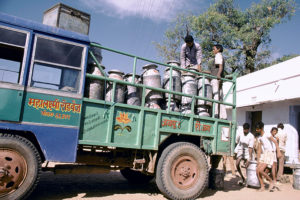 Forward-looking trade agreements, including transparent policies and consistently enforced regulations, facilitate the efficient and cost-effective movement of agricultural inputs, services, and products to the people who need them. Trade plays several important roles during times of pandemics. It brings food to places where food crops have been devastated by pests. Animal vaccines and crop protection products, such as pesticides need to be brought into impacted areas. Access to agricultural inputs, such as seed and fertilizer, helps farmers recover quickly following a crisis.


