

Sustainable productivity growth is not just about how and which foods are produced.
The escalating risk and uncertainty of climate change, market volatility, population trends, and shifting consumer preferences are reshaping agricultural systems worldwide. There are no one-size-fits-all solutions given such a broad set of environmental, economic, and social challenges.
Public investments in foundational agricultural research and extension services are the building blocks of productivity. (Fuglie et al., 2012) Productivity-enhancing innovations and information need to be tailored to meet the needs of producers, be they small-scale aquaculture producers in Indonesia or large-scale canola growers in Canada. (Fuglie et al., 2019)
Innovative inputs alone are insufficient to address the interwoven environmental, economic, and social uncertainties that hinder agricultural systems from reaching their potential. Innovations need to be accompanied by attention to ecosystem services and investment in human and social capital: improvements in education, healthcare, and racial and gender equality. (Carter, 2020)
 In preparation for the UN Food Systems Summit, USDA established the Coalition for Sustainable Productivity Growth for Food Security and Resource Conservation. The goal is to accelerate the transition to more sustainable food systems through productivity growth that optimizes agricultural sustainability across social, economic, and environmental dimensions. Coalition members will include countries, farmer and producer groups, agribusinesses, NGOs, civil society groups, youth organizations, UN agencies, universities, think tanks, and research institutions. The SPG Coalition will advance a holistic approach to productivity growth that considers impacts and tradeoffs among multiple objectives. Members will be responsible for implementing actions, tracking progress, and reporting on achievements and lessons learned.





 Funding agricultural research and development to spark critical, needed innovation

 Digital technology for family farmers in Latin America
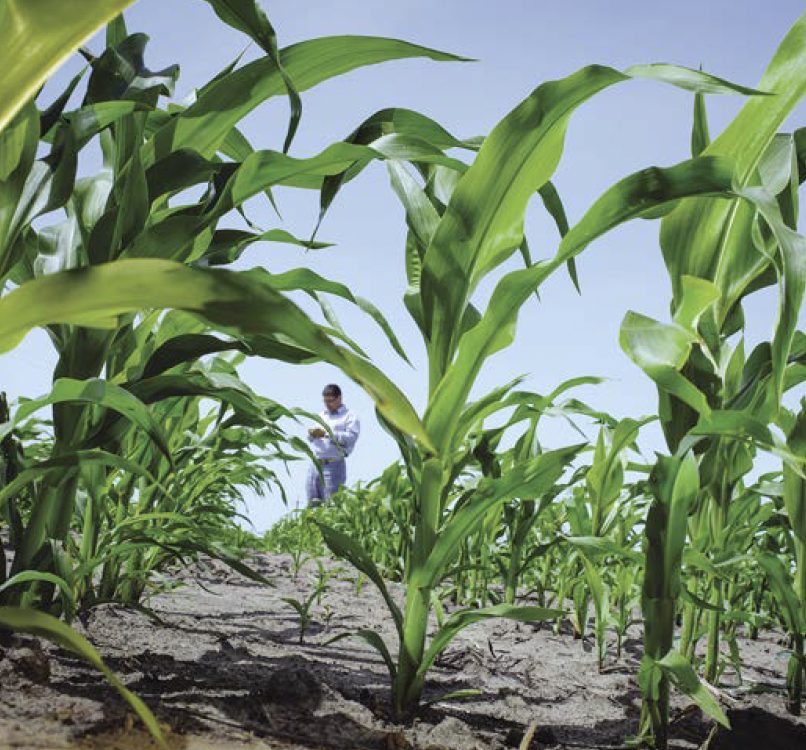 Partnership pursues new approaches to productive, sustainable food systems
 Food Enterprise Solutions (FES) is bringing more attention to the role of business in the food supply chain with its Business Drivers for Food Safety (BD4FS) program, launched in collaboration with USAID’s Feed the Future program in June 2019.
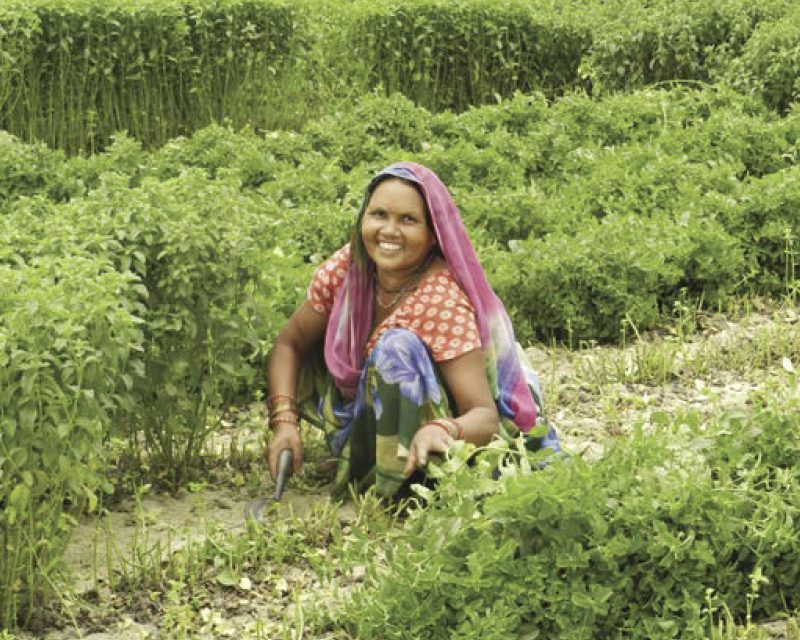
 Addressing the Pandemic food system supply chain disruption by connecting farmers to consumers
