


2026 GAP Report Launch
Restarting Growth: The Role of Regenerative Agriculture in Productivity Growth and Profitability
Hear the latest agricultural productivity findings, explore regenerative agriculture’s potential, and join the conversation on productivity and profitability.
If you need assistance with registering for the 2026 GAP Report Launch please email [email protected]
Meet the Speakers

Jess Agnew
Director, GAP Initiative
Virginia Tech

Chellie Maples
Senior Research Technician, GAP Initiative
Virginia Tech

Shannon Tignor Ellis
Virginia Farmer
United Soybean Board

Bob Waring
Senior Conservation Specialist, Brandon Farms
Colonial Soil and Water Conservation District

Kara Isaak
Global Biofuel Strategy Lead
Bayer

Zachary Stewart
VP, Research Chief Scientist
IFDC

Aaron Tekle

Ginya Truitt Nakata
Director, Global Agriculture and Food Systems Policy
The Nature Conservancy

Jim Kinsel
Virginia Fruit Producer

Indigenous Producer
to be announced

Angela Rosales
Global VP, Product & Strategy
Appnovation

Innocent Musabyimana
Chief Agricultural Technology Officer
African Development Bank

Sarah Gonzalez
Editor-in-Chief
Agri-Pulse

Komal Sahu
Senior Advisor
AVPN

Tassos Haniotis
Senior Guest Research Scholar
IIASA

Amanda Cather
Mid-Atlantic Deputy Director
American Farmland Trust
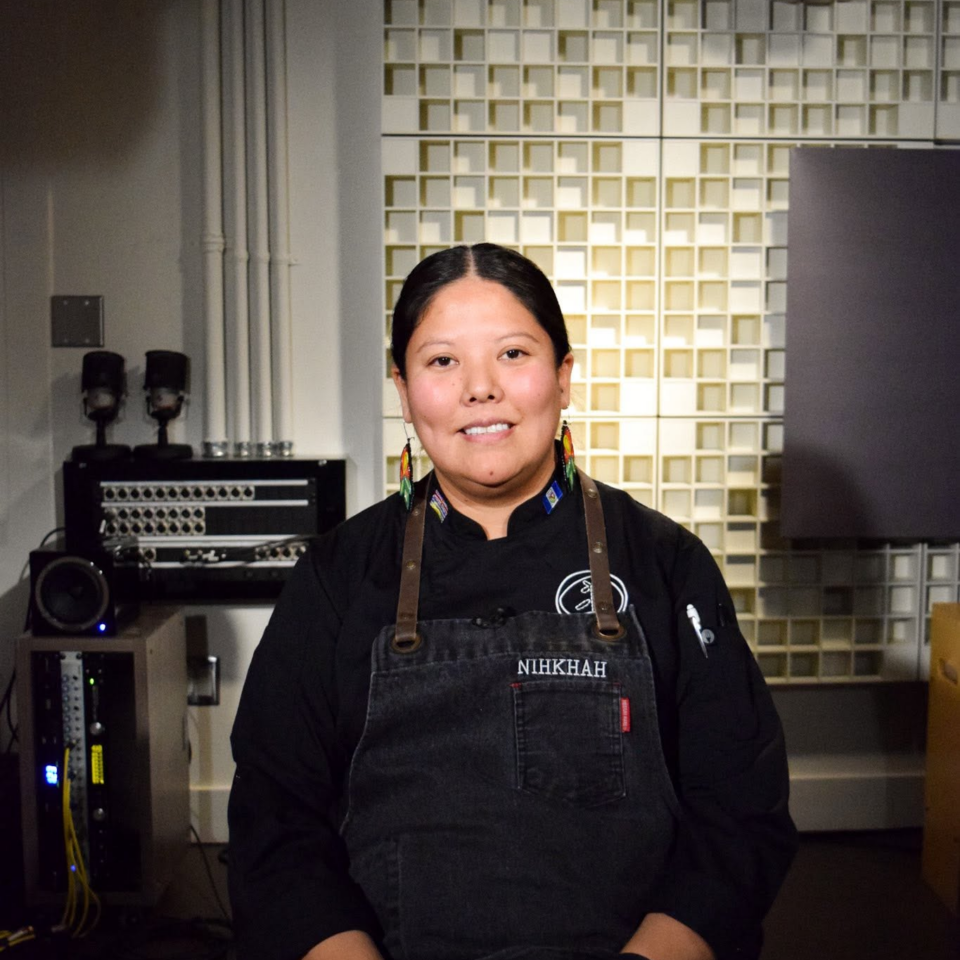
Chef Steph Baryluk
Founder
Nihkhah

Dan Simons
Co-Founder
Farmers Restaurant Group
Horrys Frica
US Representative
IICA

Joshua Mott
Assistant Professor
Virginia Tech

Kristin Lamoureux
Collegiate Professor
Virginia Tech

Adam van Opzeeland

Ethan Soloviev
Chief Innovation Officer
HowGood

Molly Leavens
Program Manager
Sustainable Food Lab
About the 2026 Report
Global agricultural total factor productivity (TFP) growth has stalled — just as volatile input costs, geopolitical supply chain disruptions, and mounting resource constraints make understanding regenerative agriculture’s potential both urgent and economically compelling. While the connection between regenerative practices and TFP growth is compelling in theory, it hasn’t yet been empirically demonstrated: no current study directly measures the TFP growth attributable to regenerative agriculture adoption.
This year’s report examines regenerative agriculture as a strategy for addressing three challenges long treated in isolation: stagnant productivity growth, thin profit margins, and long-run sustainability. The report is organized in two parts — a diagnostic assessment of current adoption and its observed productivity and profitability outcomes, and a forward-looking analysis of the R&D, decision-support tools, and policy design needed to translate that potential into measurable, scalable gains.
2026 GAP Report Launch Program
8:30 AM | WELCOME
Jessica Agnew, Director of the GAP Initiative, opens the 2026 GAP Report™ launch and sets the stage for a day focused on how regenerative agriculture can restart productivity growth and strengthen farm profitability.
8:35 AM · Opening Remarks
Virginia farmer Shannon Tignor Ellis of the United Soybean Board grounds the day in the decisions producers make every season about practices, investments, and risk.
International Year of the Woman Farmer in Maryland and Virginia
In recognition of the United Nations International Year of the Woman Farmer, this short film from Virginia Tech Communications highlights women farmers in Maryland and Virginia and their contributions to productivity growth, farm businesses, and rural communities.
8:55 AM · The 2026 GAP Report™ Findings
Tom Thompson and Chellie Maples present the findings of Restarting Growth, the 2026 GAP Report™. The report tracks where global agricultural productivity growth stands and what it will take for regenerative practices to deliver measurable gains. Their answer points to five essentials, including measurement systems, localized decision tools, extension support, transition finance, and outcome-based frameworks deployed where they fit.
9:25 AM · The Tension Table
Most panels end in agreement. This one is built for debate. Moderated by Sarah Gonzalez, Editor-in-Chief of Agri-Pulse, the Tension Table brings together leaders with contrasting views on a central question. Do regenerative practices actually improve productivity, and under what conditions? Panelists from AVPN, IIASA, Bayer, and IFDC test the evidence, with a producer perspective from Bob Waring of Brandon Farms.
10:30 AM · Coffee Break / Virtual Opportunity to meet GAP Initiative Partners
Recharge and connect before the GAP IQ™ platform launch.
10:50 AM · Unveiling GAP IQ™
Following opening remarks from Mario Ferruzzi, Dean of the College of Agriculture and Life Sciences, Jessica Agnew leads a live demonstration of GAP IQ™, the GAP Initiative’s new decision support platform. Leaders from Google, Appnovation, The Nature Conservancy, and the African Development Bank then discuss how data and decision tools can help farmers, investors, and policymakers act on productivity growth.
11:30 AM · GAP IQ™ Design Workshop
Help shape what GAP IQ™ becomes. Participants rotate through four 15-minute stations covering decision support areas, data sources and types, scientific and data governance, and design opportunities. Your input will guide the platform’s next phase of development.
12:30 PM · Lunch Program: Specialty Crop, Small-Scale, and Indigenous Systems in the Regenerative Transition
Over lunch, the conversation turns to producers who are often left out of the regenerative agriculture discussion. Chef Steph Baryluk of Nihkhah and Dan Simons of Farmers Restaurant Group open the program.
Panel 1 · How can regenerative agriculture restart productivity growth for specialty crop, small-scale, and Indigenous producers? Moderated by Horrys Frica of IICA, speakers from American Farmland Trust, Virginia Tech, and Virginia fruit production discuss what these operations need to make the transition pay.
Panel 2 · Market System Opportunities for Regenerative Productivity. Moderated by Kristin Lamoureux of Virginia Tech, leaders from Farmers Restaurant Group, HowGood, and the Sustainable Food Lab, joined by a New Zealand agricultural trade diplomat, look at how buyers, supply chains, and trade policy can reward regenerative productivity.
2:00 PM · Closing & Networking
Final reflections and time to connect with speakers and fellow attendees.