The 2022 GAP Report
Troublesome Trends and System Shocks


Troublesome Trends and System Shocks
Global agricultural systems are being rocked by COVID-19, climate change, extreme weather events, and conflicts in Ukraine and elsewhere, driving up prices for food and agricultural inputs.
The agricultural systems of high- and upper-middle-income countries are withstanding the shocks relatively well. However, food insecurity, malnutrition, and poverty rates have risen sharply, especially in low-income countries since 2020. In 2022, 40 million people faced emergency or catastrophic levels of food insecurity, twice as high as in 2020 and six times more than in 2016 (Food Security Information Network, 2022).
The troubling trends in agricultural productivity growth are mainly unnoticed; updated data reveals that the world’s shock-sensitive systems rest on increasingly fragile foundations. Reversing the downward trajectory of global agricultural productivity growth demands urgent action from policymakers, leaders, donors, scientists, farmers, and others in the agri-food system.

 1
1To sustainably produce food and agricultural products for more than 9 billion people in 2050, agricultural productivity must increase an average of 1.73 percent annually. From 2011-2020, global agricultural productivity grew at an average of just 1.12 percent per year, a significant drop from the average growth rate of 1.99 percent from 2001-2010 (USDA ERS).
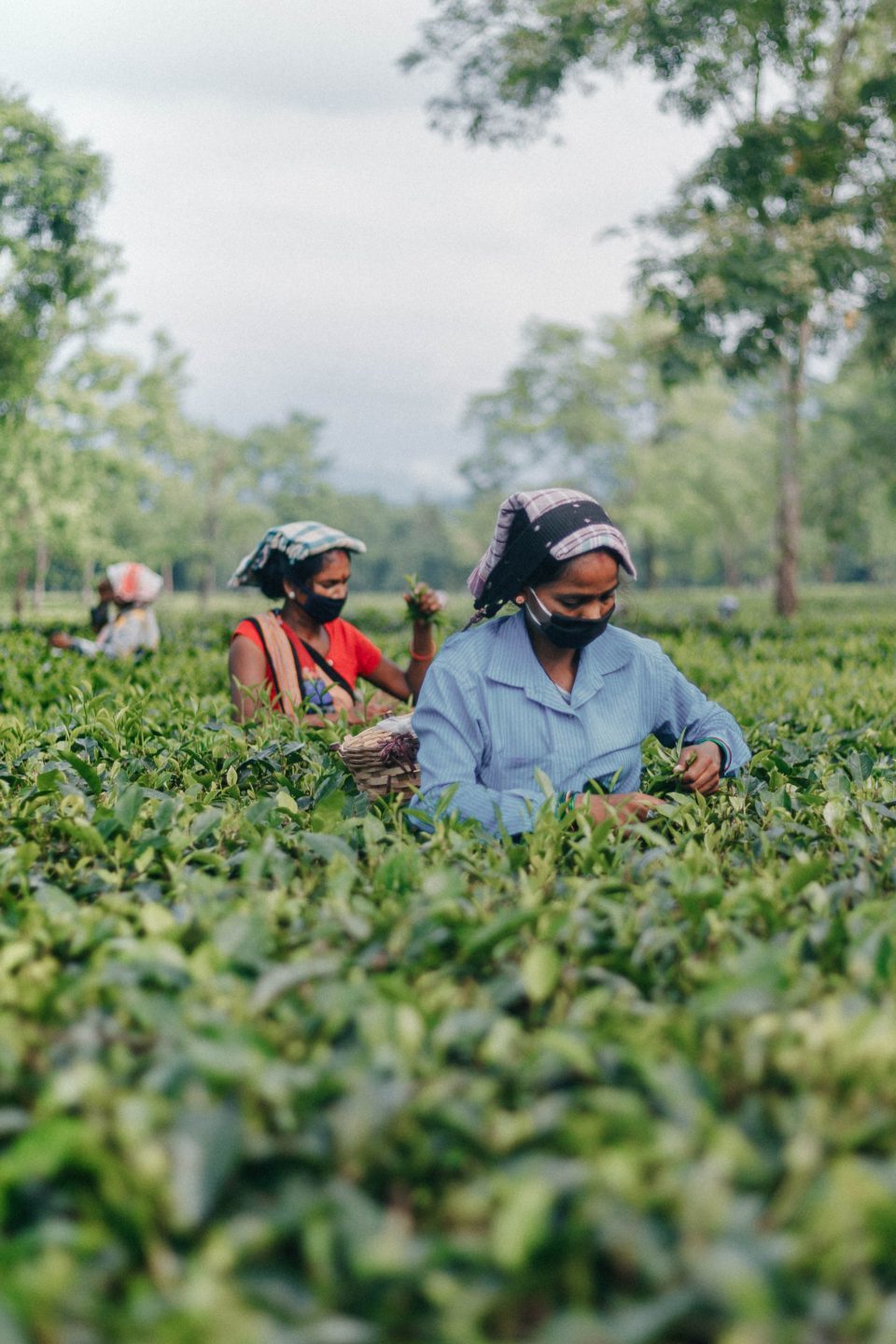
2The prospects for agricultural productivity growth are not exclusive to large farms. An increasing number of agricultural technologies and farm management services are designed for use at smaller scales. Unfortunately, most small-scale producers cannot access the innovations and information they need to ensure a productive, profitable, and sustainable future (Fuglie et al., 2020).
3New research by Wei Zhang, assistant professor of agricultural and applied economics at Virginia Tech, shows that extreme climate events are estimated to have, on average, a negative and statistically significant impact on the TFP growth rate (See page 11). The estimated impact of droughts is more than three times the impact of an average extreme climate event. These climate shocks can have a sustained effect on the growth trajectory of agricultural productivity.
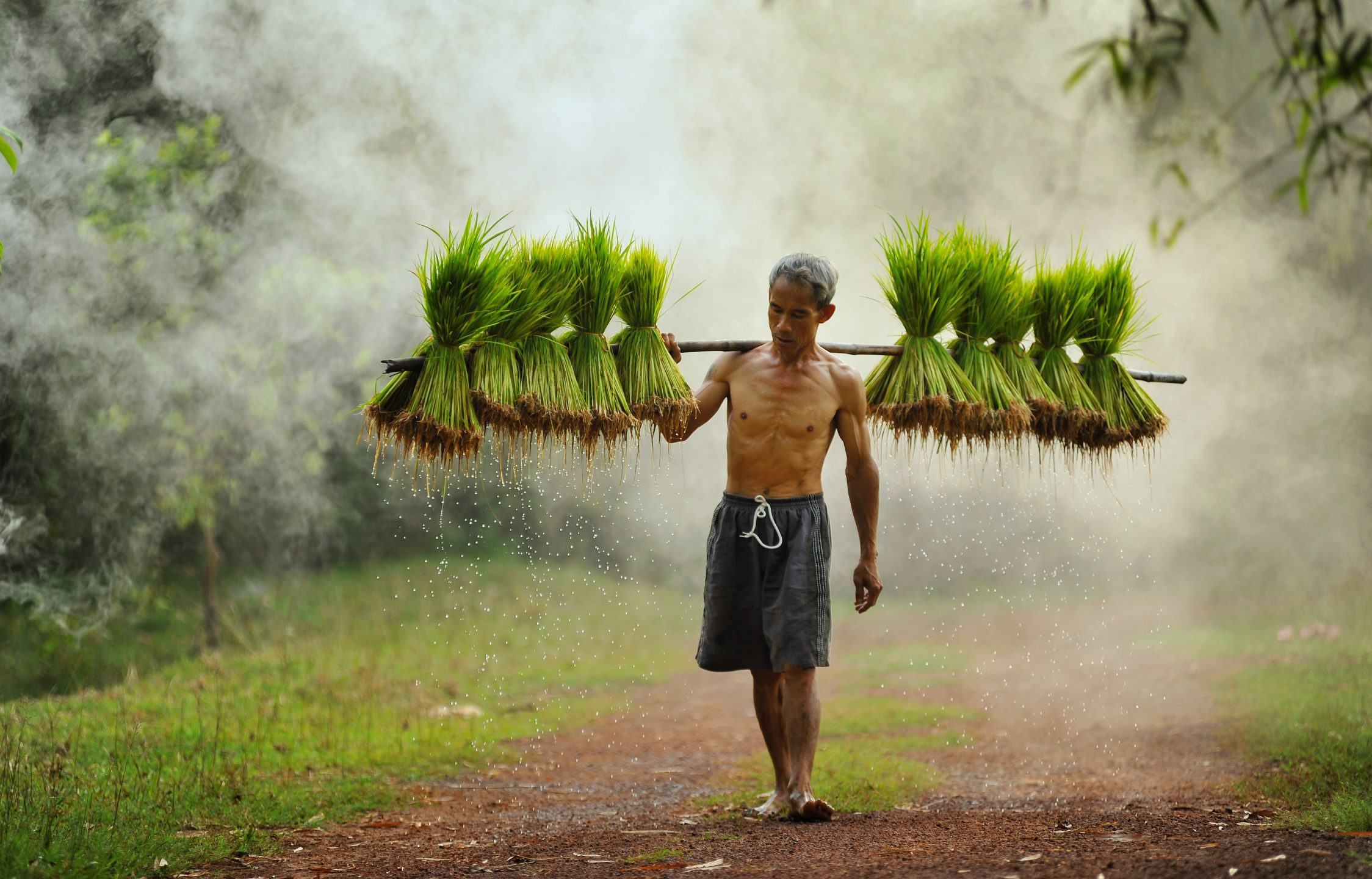
4Productivity growth is no longer the primary driver of agricultural output growth in Latin America and the Caribbean. Instead, regional producers rely on input intensification, applying more inputs (labor, fertilizer, capital) per hectare of land to increase output.
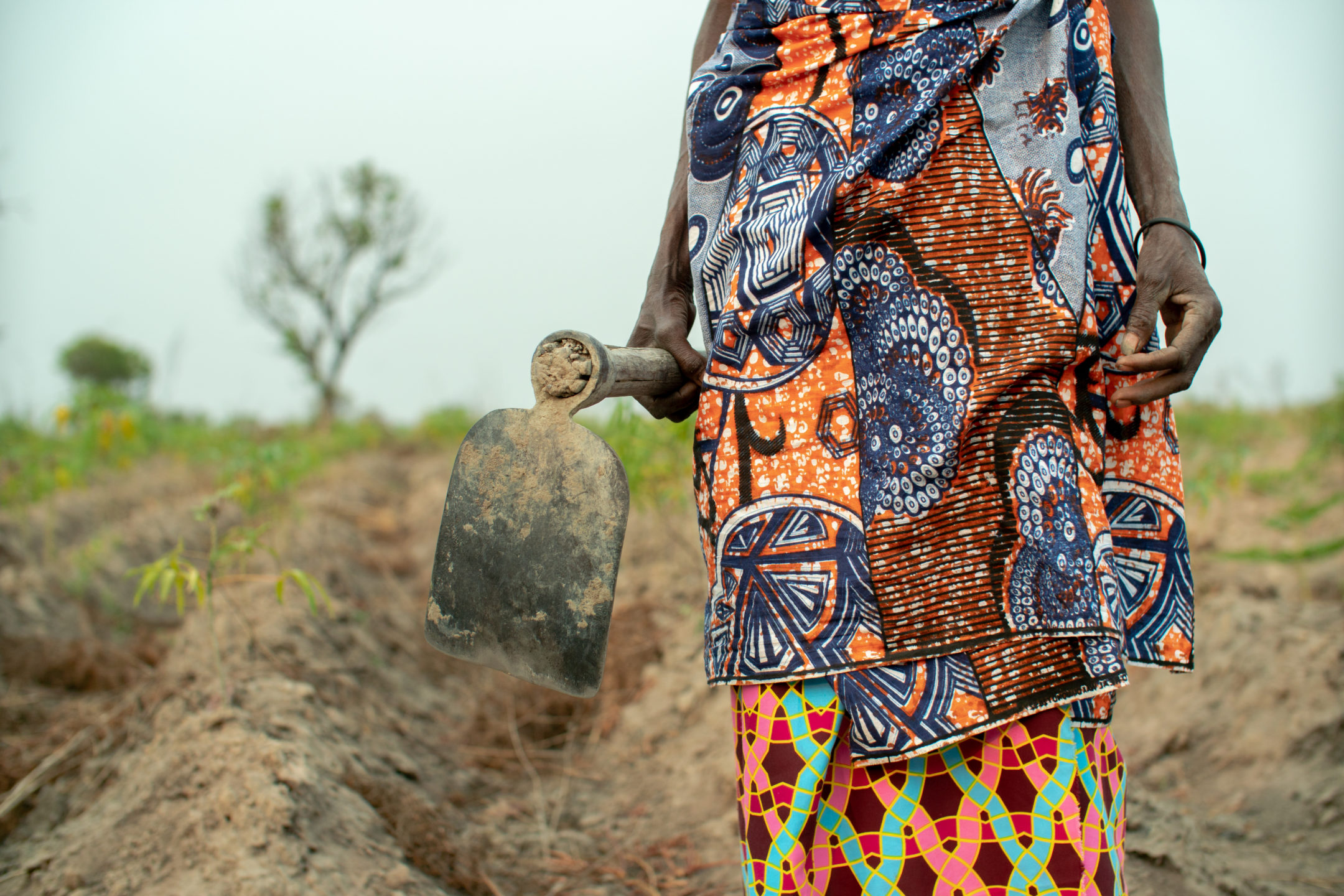
In sub-Saharan Africa, agricultural output grew a healthy 2.98 percent per year (2011-2020). However, most of the growth was driven by opening up new land for cultivation and pasture, while agricultural productivity contracted by 0.12 percent annually. Converting grasslands, forests, and other wildlands to agricultural production can decrease biodiversity and wildlife habitat, and increase soil degradation and erosion.
South Asia, especially India and Bangladesh, has had steady productivity growth since 2001. TFP grew by an average of 2.34 percent annually from 2001-2010, remaining steady at 2.28 percent annually from 2011-2020.
Alarmingly, global agricultural productivity growth has fallen well below the level needed for sustainable growth of agricultural output.
5Agricultural productivity-enhancing innovations and services reduce risks for producers and support resilience. This includes drought-tolerant seed varieties, drip irrigation systems, cover crops, improved animal genetics, mobile phone-based extension programs, and access to financial and insurance services.
6Governments, the private sector, research institutions, international development organizations, and civil society groups must take urgent and vigorous action to accelerate productivity growth. Only then can the world be assured that its agricultural systems are sustainable and resilient to shocks.
The GAP Report is supported by investments from the Virginia Tech College of Agriculture and Life Sciences. GAP Report Supporting Partners provide financial support for the GAP Report and related activities. They offer an important perspective on critical issues facing agricultural systems in the US and around the world.
Our work is enhanced by contributions from Technical Partners who share their knowledge and experience in agriculture, conservation, nutrition and the needs of small-scale farmers.
Aragón, F. M., Oteiza, F. and Rud. J.P. (2021). “Climate change and agriculture: subsistence farmers’ response to extreme heat.” American Economic Journal: Economic Policy, 13(1): 1–35.
Caballero, R.J, Hammour, M.L., et al. (1994). “The Cleansing Effect of Recessions.” American Economic Review, 84(5): 1350–1368.
Carleton, T.A., and Hsiang, S.M. (2016). “Social and economic impacts of climate.” Science, 353(6304).
Christiaensen, Luc, Lionel Demery, and Jesper Kuhl. (2011). “The (evolving) role of agriculture in poverty reduction—An empirical perspective.” Journal of Development Economics, 96(2): 239–254.
Damania, R., Desbureaux, S., and Zaveri, E. (2020). “Does rainfall matter for economic growth? Evidence from global sub-national data (1990–2014).” Journal of Environmental Economics and Management, 102, p. 102335.
Food Security Information Network. (2022). 2022 Global Report of Food Crises (No. 6). https://www.wfp.org/publications/global-report-food-crises-2022#:~:text=The%202022%20Global%20Report%20on,economic%20shocks%2C%20and%20weather%20extremes.
Fuglie, K., Gautam, M., Goyal, A., & Maloney, W. F. (2020). Harvesting Prosperity: Technology and Productivity Growth in Agriculture. World Bank Group.
Fuglie, K., & Rada, N. E. (2013). Resources, policies, and agricultural productivity in sub-Saharan Africa. U.S. Department of Agriculture, Economic Research Service, ERR-145.
Fuglie, K., & Steensland, A. (2022, January). Strengthening the climate for sustainable agricultural productivity growth [PowerPoint slides].
Fuglie, K. O., Wang, S. L., Ball, V. E., & C.A.B. International (Eds.). (2012). Productivity growth in agriculture: an international perspective. CABI.
Hallegatte, S., Hourcade, J. and Dumas, P. (2007). “Why economic dynamics matter in assessing climate change damages: illustration on extreme events.” Ecological Economics, 62(2): 330–340.
Hallegatte, S., and Rozenberg, J. (2017). “Climate change through a poverty lens” Nature Climate Change, 7(4): 250–256.
Jayne, T.S, Fox, L., Fuglie, K., and Adelaja, A. (2021). “Agricultural productivity growth, resilience, and economic transformation in sub-Saharan Africa: Implications for USAID.” Bureau for International Food and Agricultural Development.
Johnston, B.F., and Mellor, J.W. (1961). “The role of agriculture in economic development.” The American Economic Review, 51(4): 566–593.
Lesk, C., Rowhani, P., and Ramankutty, N. (2016). “Influence of extreme weather disasters on global crop production.” Nature, 529(7584): 84–87.
Liang, X.Z., Wu, Y., Chambers, R.G., Schmoldt, D.L., Gao, W., Liu, C., Liu, Y., Sun, C., and Kennedy, J.A.. (2017). “Determining climate effects on US total agricultural productivity.” Proceedings of the National Academy of Sciences, 114(12): E2285–E2292.
Lobell, D.B., Schlenker, W. and Costa-Roberts, J. (2011). “Climate trends and global crop production since 1980.” Science, 333(6042): 616–620.
OECD, FAO. (2022). OECD-FAO Agricultural Outlook 2022-2031 https://doi.org/10.1787/f1b0b29c-en.
Schlenker, W. and Roberts, M.J. (2009). “Nonlinear temperature effects indicate severe damages to US crop yields under climate change.” Proceedings of the National Academy of Sciences, 106(37): 15594–15598.
USDA Economic Research Service. (2022). USDA ERS – International Agricultural Productivity. https://www.ers.usda.gov/data-products/international-agricultural-productivity/.
Wheeler, T., & von Braun, J. (2013). Climate Change Impacts on Global Food Security. Science, 341(6145), 508–513. https://doi.org/10.1126/science.1239402.